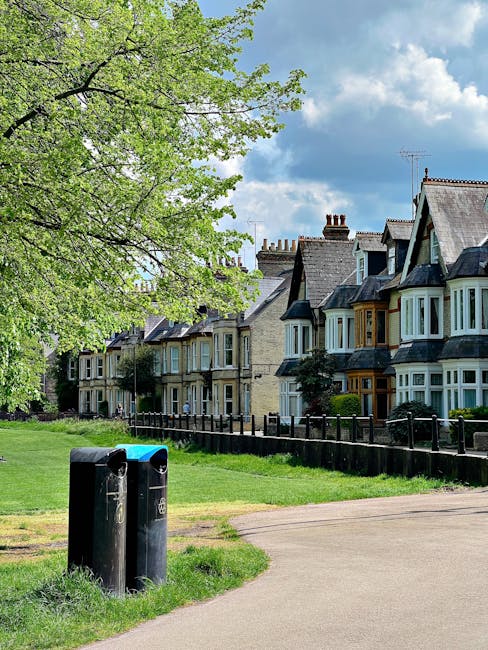
Bulky rubbish pickup for Earlsfield estates and roads
If you live or manage property around Earlsfield, bulky rubbish has a habit of arriving quietly and then taking over. A broken wardrobe in a shared hallway, an old sofa left by the bin store, a mattress leaning against a wall "for later" - it all adds up quickly. Bulky rubbish pickup for Earlsfield estates and roads is about clearing that clutter safely, respectfully, and without turning the place into a minor obstacle course.
This guide explains how the process works, who needs it, what to watch out for, and how to make the whole thing smoother on estates and residential roads. We will also cover practical steps, common mistakes, and the simple checks that save time on the day. Truth be told, good bulky waste removal is less about brute force and more about planning. A little planning goes a long way.
Why Bulky rubbish pickup for Earlsfield estates and roads Matters
On estates and busy roads, bulky waste is not just an eyesore. It can block access routes, make fire exits awkward, and create pressure for residents, caretakers, and managing agents. A single settee in the wrong place can narrow a passage enough to make daily life irritating. And when more items arrive at once, things get messy fast.
Earlsfield has the kind of mix that makes bulky collection a little more delicate than a standard front-drive job: mansion blocks, purpose-built estates, terraced roads, side entrances, communal bins, and the usual London squeeze for parking and loading space. That means bulky rubbish pickup needs to be organised with the building layout in mind, not just the pile of waste itself.
It also matters because the wrong handling of bulky items can create avoidable risks. Heavy furniture can damage walls and lifts. Sharp edges on broken units can injure someone. Wet mattresses and damp wood can make corridors smell unpleasant, especially on warmer days. You notice these things more than you expect.
Expert summary: The best bulky waste clearance on estates and roads is the one that feels almost invisible to everyone else - quick, controlled, safe, and finished without leaving a trail behind it.
For many households and landlords, bulky pickup also helps keep standards high between tenancies or after clear-outs. If you are managing a flat turnover or clearing an older property, services like flat clearance, home clearance, and house clearance often sit naturally alongside bulky item removal.
How Bulky rubbish pickup for Earlsfield estates and roads Works
At a practical level, the process is straightforward. You identify the items, confirm access, arrange a pickup time, and make sure the load can be removed safely without disrupting neighbours or blocking traffic. The details, however, matter. A lot.
Bulky rubbish pickup usually starts with a description of what needs to go. That might include sofas, wardrobes, beds, broken tables, office chairs, white goods, or mixed household items. If the load includes specialist waste, such as appliances or anything potentially hazardous, it should be flagged in advance rather than discovered at the kerbside on collection day. Nobody enjoys surprises in waste removal. Not the customer, not the crew.
On Earlsfield estates, access is often the deciding factor. Is there a lift? A rear service entrance? A courtyard with limited turning space? Can a vehicle stop close enough for safe loading? These questions save time and reduce friction. If the road is tight, timed, or shared by several blocks, a pickup needs to be planned around that reality.
Many jobs are handled as a one-off visit, but larger clearances can be grouped by item type. For example, a resident might need furniture clearance plus a separate visit for a mattress, or a landlord may pair a flat cleanout with fridge and appliance removal. This approach can be more efficient than trying to force everything into one vague booking.
In an estate environment, the actual pickup day usually follows a pattern:
- Items are confirmed and assessed.
- Access is checked, including stairways, doors, parking, and lifts.
- Residents or staff are told what should be moved aside.
- The crew arrives, loads the bulky waste, and clears the area.
- The waste is taken for sorting, recycling, or disposal depending on type.
That final step matters. Good waste providers do not simply shift everything into a truck and call it a day. They sort and route materials responsibly, with recycling where possible. If sustainability matters to you, it is worth reviewing a provider's recycling and sustainability approach before booking.
Key Benefits and Practical Advantages
The most obvious benefit is space. Once bulky items are gone, hallways feel calmer, bin areas become usable again, and access routes stop looking like an improvised furniture warehouse. That alone can make a building feel more cared for.
There is also the safety aspect. Heavy items moved the wrong way can cause damage, but they can also create trip hazards or pinch points in communal spaces. Professional pickup reduces that risk because lifting and loading are done with the right technique and the right number of hands. Simple, but important.
Another benefit is speed. Residents often want an item gone because it is spoiling the look of the place or getting in the way of day-to-day life. In those moments, a responsive pickup feels like a relief. You get your corridor back, your garden access back, or your loading bay back. It sounds minor. It is not minor when you live there.
For landlords, managing agents, and local businesses, there is a reputation benefit too. Well-kept estates and roads send a quiet message that the place is looked after. That matters to current occupants and to prospective ones. Nobody wants to tour a property and see a battered sofa parked beside the entrance like it has given up on life.
- Cleaner shared areas: less clutter in bin stores, pathways, and entrance routes.
- Safer movement: fewer obstructions for residents, carers, cleaners, and delivery drivers.
- Less stress: one clear plan instead of dragging items out over several days.
- Better presentation: useful for lettings, inspections, and general upkeep.
- Responsible disposal: recycling and sorting built into the service.
Where bulky waste is tied to a wider property project, it may make sense to combine it with builders waste clearance or loft clearance. That way, you clear the whole picture, not just the most obvious items.
Who This Is For and When It Makes Sense
Bulky rubbish pickup is useful for a surprisingly wide group of people. In Earlsfield, the common situations tend to be predictable, but the need can arrive at awkward times - just before a tenancy change, after a refurbishment, or when a resident finally decides that the old armchair is never, ever coming back into favour.
This service makes sense for:
- residents in estates with communal access
- homeowners on residential roads with limited parking
- letting agents handling move-outs
- landlords clearing empty or damaged rooms
- caretakers and estate teams dealing with fly-tipped bulky items
- small businesses with oversized office furniture or old equipment
It is especially useful when the item is too large for a normal bin, too awkward for a car boot, or too heavy for one person to move safely. A damaged wardrobe at the top of two flights of stairs is a classic example. So is a sofa that has to come out through a narrow communal hallway. Not glamorous work, but very common.
Sometimes the need starts with one item and ends with several. A resident clears a mattress, then notices an old chest of drawers, then the broken microwave, then two bags of odds and ends from the airing cupboard. That is normal. A good pickup can handle mixed bulky waste as long as the load is described clearly in advance.
If the items are primarily office-related, such as desks, filing cabinets, and old chairs, then office clearance or business waste removal may be a better fit than a general domestic collection.
Step-by-Step Guidance
Here is a practical way to handle bulky waste without turning it into a half-day headache.
-
List every item clearly.
Write down what is going, how many pieces there are, and whether anything is broken, damp, or awkwardly shaped. A "large wooden cupboard" is better than "some furniture."
-
Check access before collection day.
Look at stairwells, lift sizes, door widths, parking rules, and whether the vehicle can stop near the entrance. On some roads, this is the make-or-break detail.
-
Separate anything sensitive or specialist.
Keep hazardous items apart from standard bulky waste. If you are unsure, flag them early. Mixing everything together is where delays start.
-
Clear a safe loading route.
Move small obstacles, mats, children's toys, and loose items out of the way. It sounds obvious, yet it is the thing people forget most often.
-
Confirm timing and building rules.
Some estates have restrictions on vehicle access or loading times. Get those confirmed so the pickup can happen without upsetting the building rhythm.
-
Check the finish.
Once the bulky waste is gone, inspect the area for screws, broken pieces, or stray packaging. A quick sweep makes a big difference.
If your job includes items such as sofas or mattresses, it is worth checking dedicated services like mattress and sofa disposal. If appliances are involved, look at fridge and appliance removal. It is cleaner to separate the problem by item type than to bundle everything blindly.
Expert Tips for Better Results
One of the best things you can do is take a photo of the items before booking. Not because anyone needs a glamour shot of a torn sofa, but because photos make estimates and access planning much more accurate. You can see dimensions, condition, and the likely lifting challenge at a glance.
Another tip: think about sequence. If you are clearing several items from a flat or a block, move the easiest items first and leave the heaviest or most awkward ones for the crew. That reduces traffic in shared areas and helps avoid collisions with wall corners, which is where a lot of little scuffs happen.
For estates, it helps to notify residents or neighbours when a pickup is planned, especially if a loading bay or entrance will be used. A short notice often prevents the classic "I didn't know that truck was coming" conversation. Everybody keeps their calm. Nice and simple.
When items are still usable, ask whether they can be set aside for re-use or separate disposal. Good practice is not just about throwing things away quickly; it is about directing items to the right next step. You do not need to overcomplicate it, though. A quick conversation before the job can save a lot later.
And a small one, but worth saying: do not leave item prep until the crew is standing outside. That is how a ten-minute collection becomes a slow shuffle of "oh, that one too?" and "hang on, let me move this first."
Common Mistakes to Avoid
The first mistake is underestimating access. A bulky pickup that looks easy from the pavement can become awkward if the lift is small, the stairwell is narrow, or the road is double-parked. Always check the route from the item to the vehicle.
The second mistake is mixing waste types without warning. A standard load of furniture is one thing; a load that also contains appliances, broken glass, or suspect material is another. If something is odd, say so early. It is much better to over-explain than to create a problem on collection day.
The third mistake is failing to clear the surrounding area. If the corridor is full of bikes, shopping trolleys, plant pots, or parcel boxes, the load-out takes longer and becomes less safe. You do not need to strip the place bare - just make a sensible path.
Another common issue is leaving bulky waste outside too early. On a road or estate, that can create complaints, attract weather damage, or even invite someone else to dump more things beside it. And then you have a larger mess than you started with. Annoying, to put it mildly.
- Do not assume the truck can park anywhere.
- Do not forget about lift size or stair access.
- Do not hide extra items behind the main pile.
- Do not mix standard bulky waste with specialist waste without checking.
- Do not leave items in communal areas longer than necessary.
Tools, Resources and Recommendations
You do not need fancy kit for bulky rubbish pickup, but a few simple tools help. A tape measure, a torch, and a phone camera are enough for most people. The tape measure is especially useful when a sofa looks "fine" but the hallway says otherwise. Hallways are honest like that.
Gloves, sturdy shoes, and a basic trolley can be useful for light preparation, though heavy lifting should be left to people who are trained and equipped for it. A small hand truck may help in low-risk situations, but it is not a solution for everything. Sometimes the right tool is simply not to lift it yourself at all.
For people planning broader clear-outs, a few related pages can help you think through the job in sections:
- waste removal for general mixed loads
- garage clearance for stored oversized items
- garden clearance for broken outdoor furniture and garden waste
- home clearance for whole-property clear-outs
- what can go in a skip if you are comparing collection methods
For transparency around prices and payment, it is sensible to review pricing and quotes and payment and security before you commit. That part is never exciting, but it is useful.
Law, Compliance, Standards and Best Practice
For bulky rubbish pickup in London, the biggest practical compliance issue is proper waste handling. In plain English, that means waste should be managed by a provider that knows how to sort, carry, and dispose of it responsibly. You should also expect clear communication about what can and cannot be taken.
If you are a landlord, managing agent, or business owner, there is an extra layer of care: you need to make sure waste is dealt with in line with your own duties and property rules. That includes keeping communal areas safe and avoiding fly-tipping, obstructions, and unauthorised storage in shared spaces.
For anything hazardous, the standard is even stricter. Chemicals, certain electrical items, and contaminated materials should be identified properly rather than treated like ordinary bulky waste. If in doubt, separate it and ask. No drama, just caution.
Good providers also tend to work to sensible health and safety expectations: safe lifting, suitable vehicles, clear access planning, and careful loading. If you are comparing services, it can help to review a company's health and safety policy, insurance and safety information, and, where relevant, hazardous waste disposal guidance.
For organisations dealing with confidential papers alongside bulky waste, confidential shredding may also be a useful separate service. It is better to keep paper destruction and furniture removal in the right lanes, if you see what I mean.
Options and Comparison
People often compare bulky rubbish pickup with skip hire or trying to move things themselves. Each has its place, but they are not interchangeable.
| Option | Best for | Pros | Watch-outs |
|---|---|---|---|
| Bulky rubbish pickup | Single items or mixed bulky loads on estates and roads | Fast, convenient, minimal disruption | Needs clear access and accurate item description |
| Skip hire | Larger ongoing DIY or clear-out projects | Useful for self-loading over time | Requires space, permits may be needed, items must be sorted properly |
| Self-transport | Very small amounts you can safely carry | Can suit occasional small jobs | Time-consuming, physically demanding, and not ideal for heavy items |
In Earlsfield, bulky pickup often wins because space is tight and access matters. A skip can be useful, sure, but on a road with limited parking or an estate with controlled access, a direct collection is often the cleaner option. Less fuss. Less waiting around.
Case Study or Real-World Example
Imagine a managed estate off a residential Earlsfield road. One flat has moved out, and the bin store now contains a three-seat sofa, a dismantled wardrobe, an old mattress, and a broken bedside cabinet. The hallway is narrow, the lift is small, and residents are using the same route to get to the back entrance.
The sensible approach is to assess access first, then remove the items in a controlled order. The mattress goes out flat with two people handling the corners. The wardrobe pieces are checked for protruding screws. The sofa is lifted after the route is cleared and the building manager confirms the loading window. No one rushes. That is the key.
What changed the outcome was not effort but preparation. The items were not just "picked up"; they were planned. That means fewer scuffs, less disturbance to neighbours, and a cleaner finish at the end of the job. The estate looks better within the hour, and nobody has to keep staring at a lopsided chair leg in the corner of the entrance. Small victory, but a real one.
Practical Checklist
Use this quick checklist before arranging bulky rubbish pickup for an estate or road in Earlsfield:
- List every bulky item clearly.
- Measure any oversized furniture or appliances.
- Check stairs, lifts, corridors, and doorway widths.
- Confirm parking or loading access.
- Separate hazardous or specialist waste.
- Remove loose obstacles from the route.
- Tell residents, neighbours, or building staff if needed.
- Choose the most suitable service type for the load.
- Review pricing, payment, and safety information.
- Do a final sweep once the items are gone.
If you are also handling other property clear-out tasks, related services such as furniture disposal, garage clearance, and builders waste clearance can help you plan the work in sensible stages.
Conclusion
Bulky rubbish pickup for Earlsfield estates and roads works best when it is treated as a practical access job, not just a removal job. The right approach keeps communal areas safe, reduces disruption, and gets large items out without drama. That is what most people really want, after all - a clean finish and one less thing to think about.
Whether you are clearing a single awkward sofa, dealing with a full flat turnover, or removing old items from an estate, the winning formula is the same: clear information, sensible access planning, and a provider that understands how London roads and shared spaces actually work. Small details matter. A lot.
If you are comparing options, a little time spent on preparation now can save a surprising amount of hassle later. And once the bulky waste is gone, the whole place just feels lighter. Easier to move through. Easier to live in. That's a good feeling.
Get a free quote today and see how much you can save.
Frequently Asked Questions
What counts as bulky rubbish on an Earlsfield estate?
Bulky rubbish usually means items that are too large or awkward for normal bins, such as sofas, beds, wardrobes, tables, mattresses, and some appliances. The exact mix can vary, so it helps to list items clearly before booking.
Can bulky rubbish be collected from communal hallways?
Yes, but access must be safe and allowed by the building. A clear route is important, especially in shared corridors or stairwells. If the item blocks access, it should be moved carefully and as quickly as possible.
What if my building has a narrow lift or tight stairs?
That is common in Earlsfield. Measure the item and describe the access restrictions early. If the item will not fit safely, it may need to be dismantled or removed by a different route.
Do I need to separate furniture from other waste?
It is usually a good idea, yes. Separating bulky furniture, appliances, and any hazardous material makes the job smoother and reduces the chance of delays on collection day.
Is bulky waste pickup better than skip hire?
It depends on the job. Bulky pickup is often better for single items, mixed loads, or estates with limited space. A skip can suit longer DIY projects, but it needs room and often more planning.
Can you remove a sofa and mattress in the same visit?
Often, yes. Sofa and mattress removal commonly happens together as long as the items are described in advance and access is suitable. If you have more furniture, mention that too.
How do I prepare for bulky rubbish pickup on a road with limited parking?
Check where a vehicle can stop, whether there are loading restrictions, and whether neighbours need advance notice. In tight residential roads, access is often the biggest practical issue.
What should I do with old appliances?
Appliances should be handled separately from general bulky waste if possible. Fridges, cookers, and similar items may need specific handling, so it is best to flag them early.
Can landlords use bulky rubbish pickup between tenancies?
Absolutely. It is a common use case. It helps clear leftover furniture, damaged items, and anything that should not stay in the property before cleaning or re-letting.
How do I know if a waste company is handling items properly?
Look for clear pricing, clear safety information, and a sensible explanation of how waste is sorted or recycled. A trustworthy service should explain what it can take and what needs separate handling.
What happens if I leave bulky waste out too early?
It can be damaged by weather, attract extra dumping, or cause complaints from neighbours. On estates and roads, it is usually best to leave items out only when collection timing has been agreed.
Can bulky rubbish pickup include mixed household clutter?
Yes, often it can. Mixed loads are common, especially after a move or clear-out. The key is to be honest about what is included so the right setup can be arranged.